Mode of Action Team
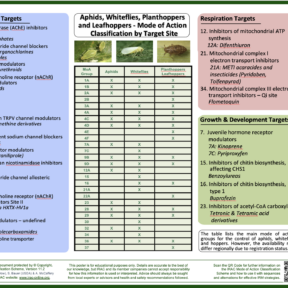
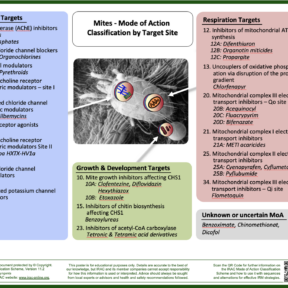
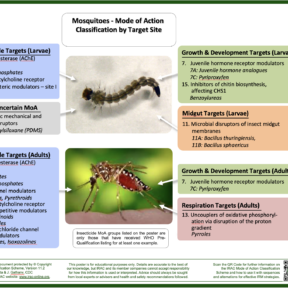
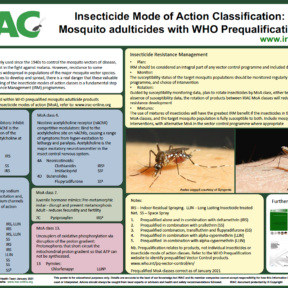
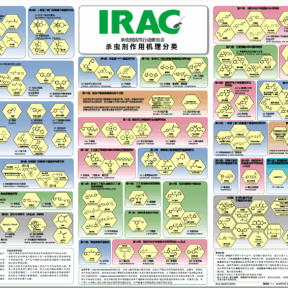
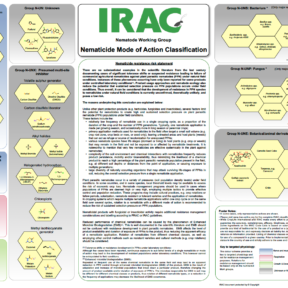
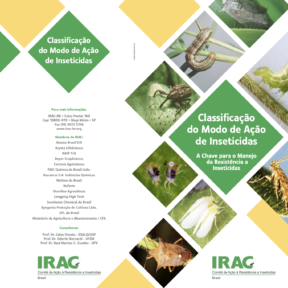
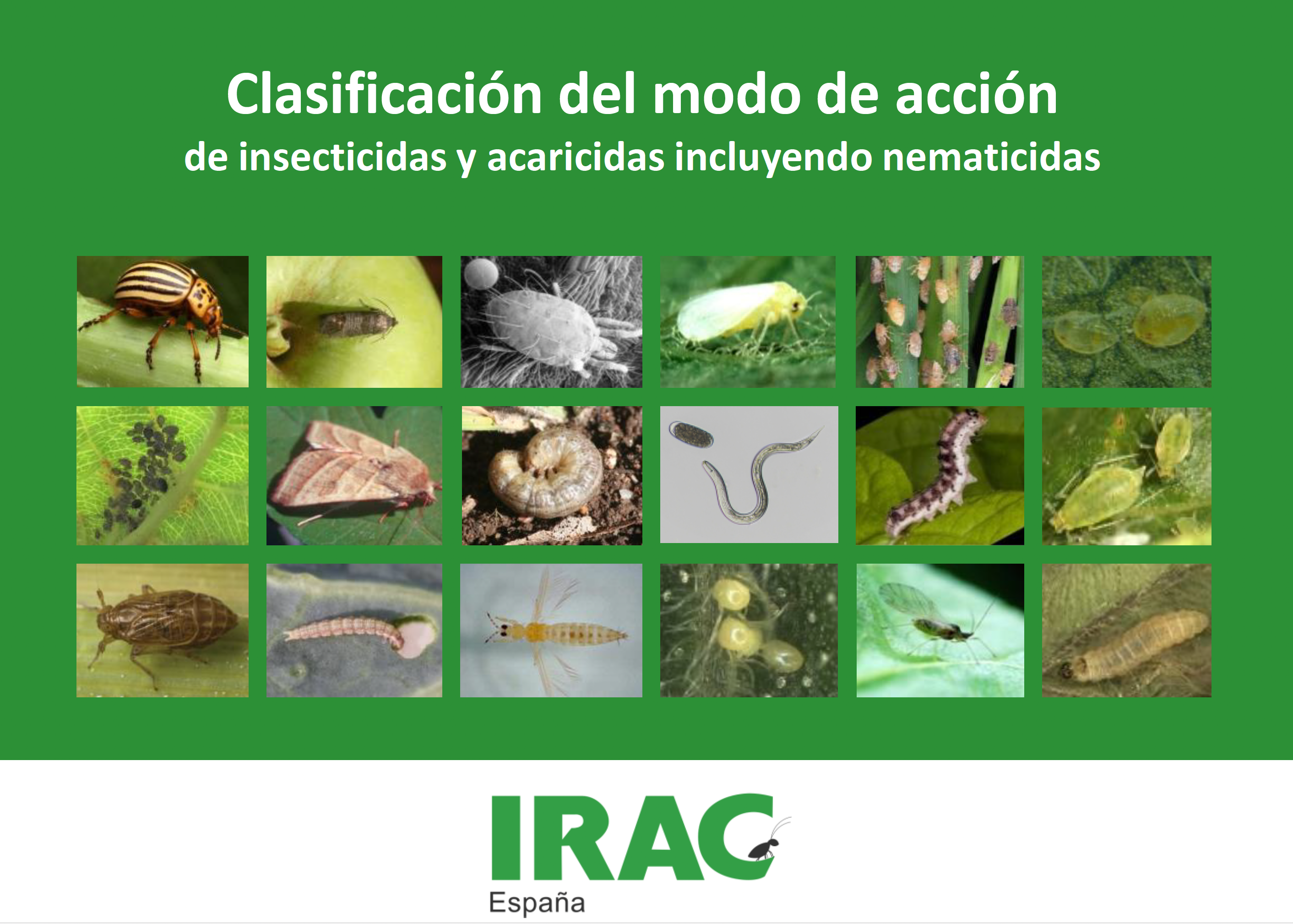
The MoA Team, which is largely composed of technical experts, is charged with maintaining the scheme and its status, carrying out updates as required as well as developing educational resources such as posters to promote the correct use of the scheme. The team considers data to support new submissions for entries to the scheme and acts as an arbiter on questions of MOA.
Team Objectives
- Continue to review and update the MOA scheme as required.
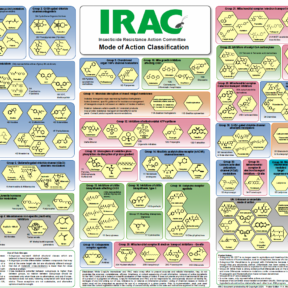
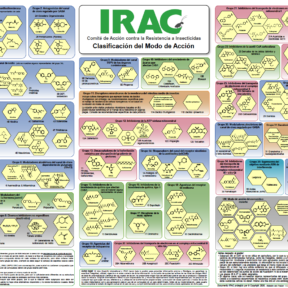
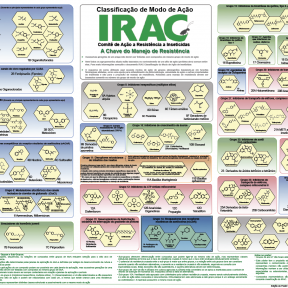
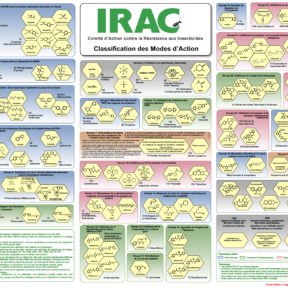
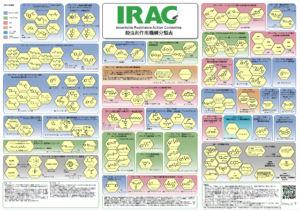
- Develop new versions of the MOA Structure Poster as needed
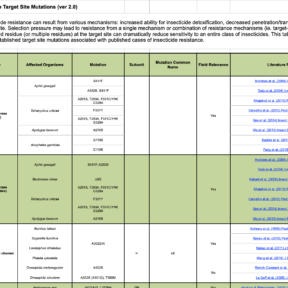
- Target site mutation table
- Develop new MoA posters and update existing posters as required
- Develop MoA training slides
- MoA page – IRAC Website
- Provide additional information on topics important to MoA and IRM
- Update of MoA Charter
- Address issue of DIY classification
- Implement MoA Classification update notification list
Useful Mode of Action Links
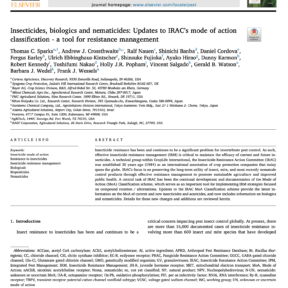
- Procedure for classifying a new insecticide
- Online form for classifying a new insecticide
- Mode of Action Labelling Guidance from CropLife International
- Comprehensive list of established resistance-associated target site mutations
- Subscribe for MoA updates direct to you inbox
IRAC Video: Insecticide Mode of Action Explained
An animated and diagrammatic explanation that explains the importance of mode of action as the basis for effective and sustainable resistance management. Language Versions:
English, Spanish, Portuguese, Mandarin Chinese, French, Italian, Korean, Arabic, Russian, Bahasa(Indonesian), Khmer , Japanese , Tagalog (Philippines), Hindi, German, Vietnamese